
Written by: Laura Foster
Photography by: Peter Thor (@peter_thor_)
I arrive early to a mostly-empty Wise Hall where Amanda Bordrup, Psychgeist’s organizer, has let me in to the venue. She is nervous and excited and very, very busy, but in the lull before people start arriving I squeeze in a couple of questions:
Laura: “What made you want to put this specific festival together? Why Psychgeist? Why these bands?”
Amanda: “Because I noticed that psych music was coming back in a way that I found quite fascinating. I had this idea of a night in the Wise Hall with great new psych bands and then it just developed into this massive two-day thing. I really wanted a diverse program […] and I just wanted to do something for the freaks.”

Laura: “Why do you think psych music has drawn so many people recently?”
Amanda: “I honestly don’t know, which I think is why it’s so fascinating to me. Psych has gone through so many in-and-out periods, and now […] I don’t know if it’s a need to return to something simplistic—I honestly think that’s it.”
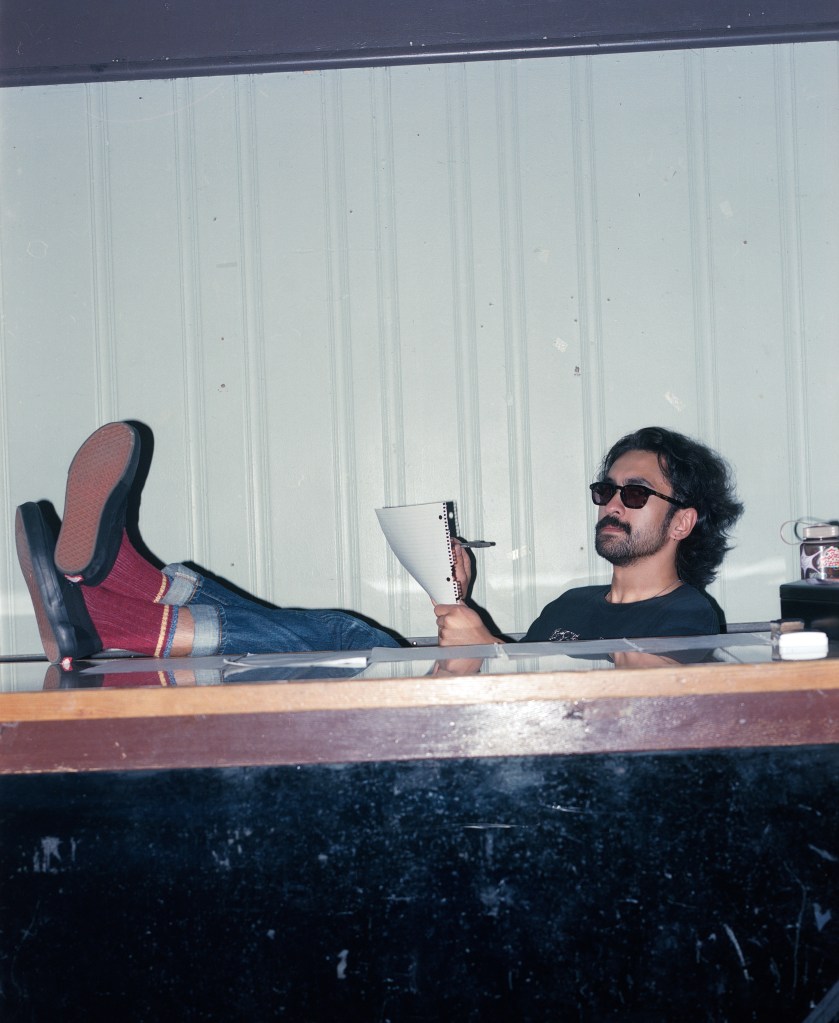
A Sunday afternoon psych rock show may not be for the average Joe, but turns out there are more than enough ‘freaks’ to fill the room without them. Before long, if not for the sun still being up outside, you’d be forgiven for thinking it was a Friday night. The air is abuzz with anticipation and I am abuzz on my second beer and, just like that, the first of tonight’s seven bands is taking the stage.
—
dechronicization: the bending of time
—

Dustwaves opens with melodies that drift through the room like clouds. There is an easy accessibility to the music, which incorporates folk elements like harmonica and familiar chord progressions, but as the set continues it also becomes more fluid, sinking deeper into an ambient trance.
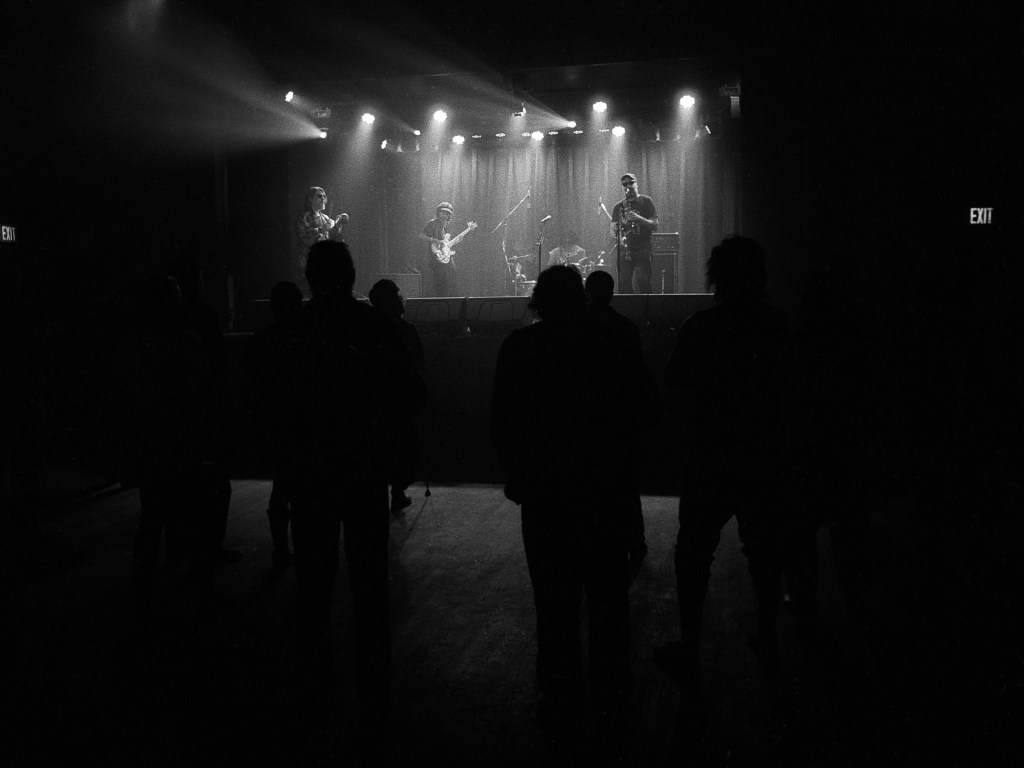
Magic Triangle follows and is, as the name suggests, a three-piece with no clear leader. The trio rotate positions more than once and their songs are a delightfully mixed bag in terms of influence, and notably instrumentation, as the band draws from a variety of handheld percussive and wind instruments, adding to the experimentalism. One element that jumps out is their playfulness in terms of volume, with the ensemble at times fading to whisper before a saxophone or trombone suddenly tears through the quiet. Spontaneous, energetic, and bold, Triangle immediately expands the listener’s palate when it comes to what the psych rock genre can look and sound like.
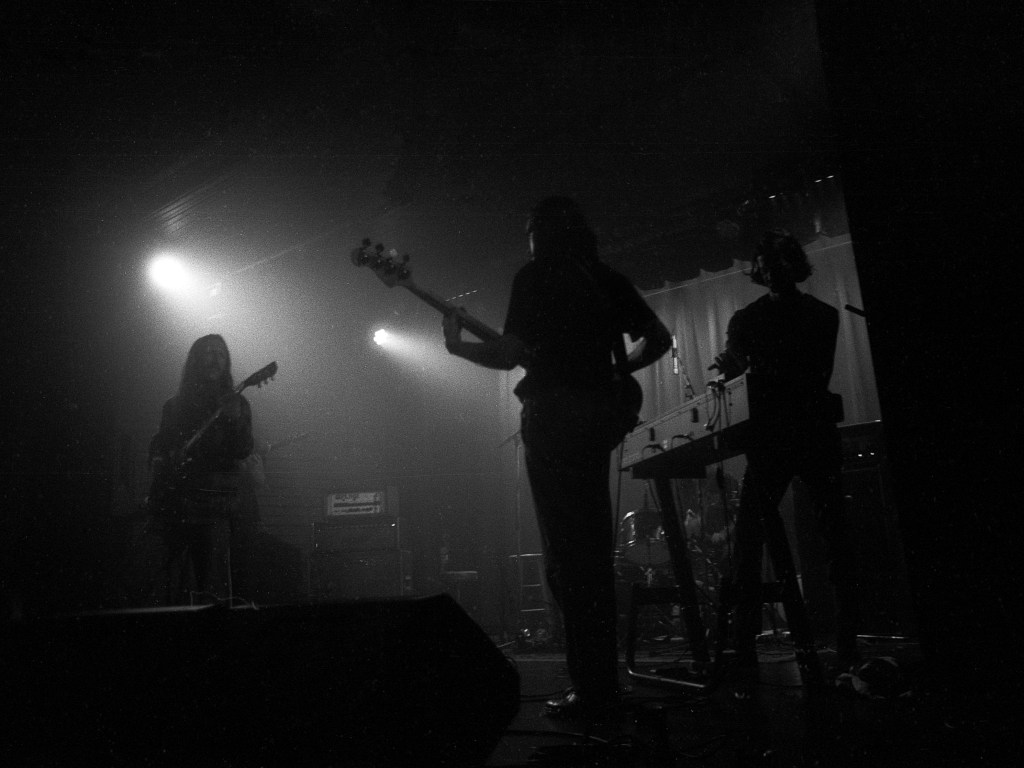
I felt a similar transcendence the following night when I heard Practitioner for the first time. In the absence of a vocalist, their intricately layered songwriting manages to convey the sort of raw emotion words often fail to, from sharp pain to utter euphoria.
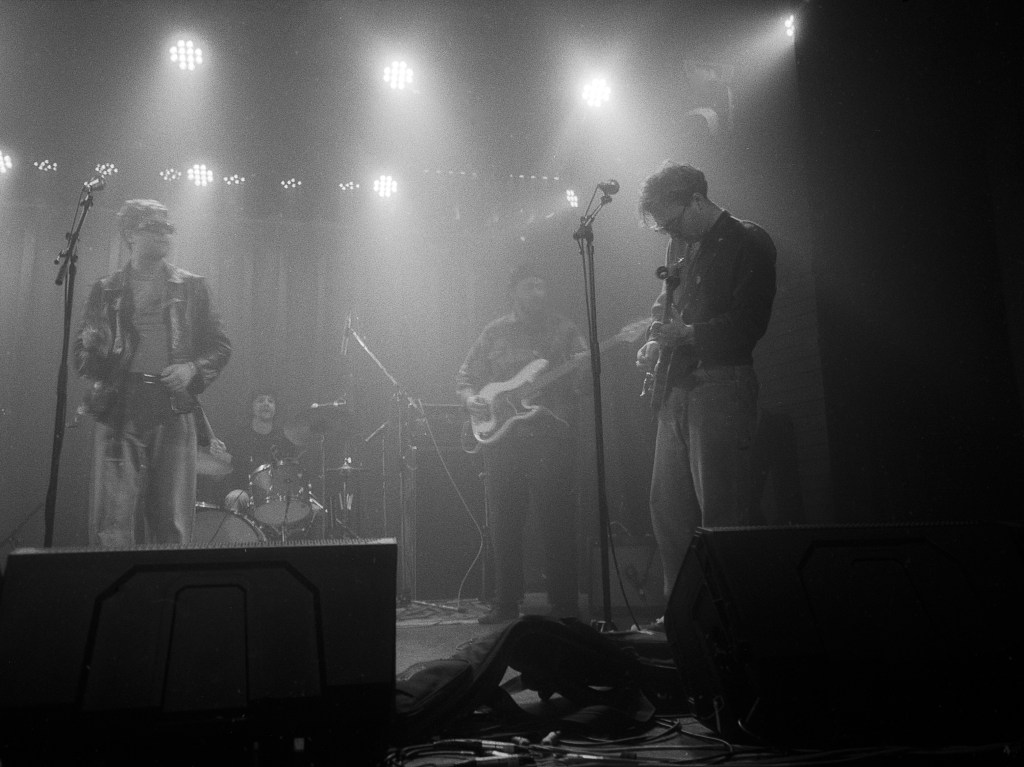
Brother 12 has a timeless quality I struggle to pinpoint—something about it (The country influence? The danceability of their songs? The killer tambourine?) sounds like it could have been ripped from another decade entirely, which only adds to the surreal mood of the festival.

—
dynamization: when fixed, ordinary objects dissolve into moving, dancing structures
—
“Hey, we’re Computer! 1, 2, 3, 4!” begins a set that is bursting at the seams. It’s the kind of music you can’t stand still watching, nonstop, infectious, unpredictable. The band opts for transitions rather than full stops between songs, causing it to feel less like a set list than different movements of the same piece of music. At times, Computer devolves into cacophony just enough to keep you guessing—six members playing multiple instruments will do that—but don’t be deceived by these preprogrammed glitches; their precision and flair is undeniable.

GØØ returns to a darker, even haunting, sound. Making use of long pauses and dissonance to add tension, there is a both an aggression and vulnerability to their song writing that is easy to get lost in.

Gadfly is a three-piece operating at a fever pitch from start to finish. Their sound is wild, ominous, and unhindered. Heavy on both emotional and physical engagement with the audience, Gadfly ends their set by leaving the stage and joining the crowd.
—
depersonalization: a feeling of detachment from oneself.
—
Michael Slumber is another tonal pivot, less rise-and-fall than a slow burn. With droning synth and more emotional weight, the group is entrancing with a dash of angst.
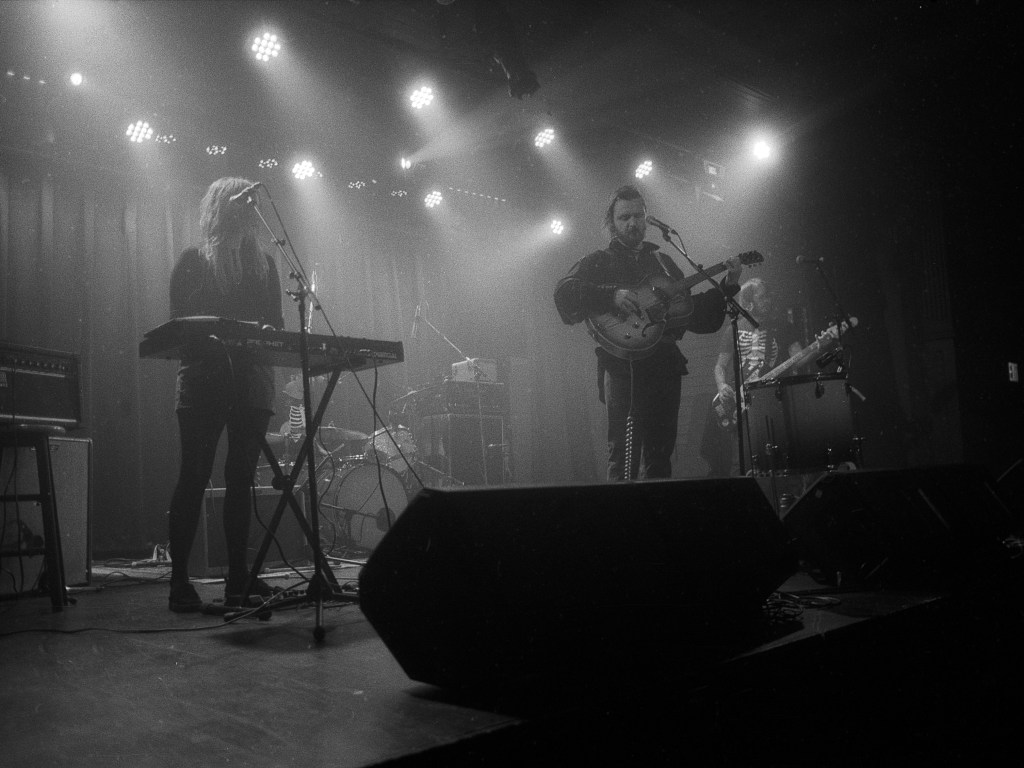
Sensitive Beings brings a charm and earnestness that sets them apart. The band leans more toward surf rock than folk or metal, providing an upbeat interlude between some of the heavier bands.

Crimson Funeral closes out the first night clad in black, bathed in red light. Decidedly the most metal both musically and in performance, they end Sunday’s line-up with the vocalist spitting out fake blood.

Ever Age is the last band of the festival, and they seem to embody many of the most-accessible elements of the genre: inviting the audience to move, to put your thoughts aside for a few moments, and to exist in a space that feels outside of time entirely. The room is filled with smoke by this point, the floor rumbling from the pit that has now formed, and as the last chord fades away, the two-day trance comes to a close.

Before attending Psychgeist, all I really knew about psych rock came from one Wikipedia entry: “The sound of psychedelic rock invokes three core effects of LSD: depersonalization, dechronicization, and dynamization, all of which detach the user from everyday reality.” And I have to say, post-festival, these qualities certainly exist in the genre. But there is a difference between understanding something on an intellectual level and embodying it. To me, what Psychgeist represents is a celebration of losing yourself in music, even if it’s a Monday night.

 the grape vinyl
Leave a comment